
The Grief and Joy of a Late-in-Life Neurodivergent Diagnosis
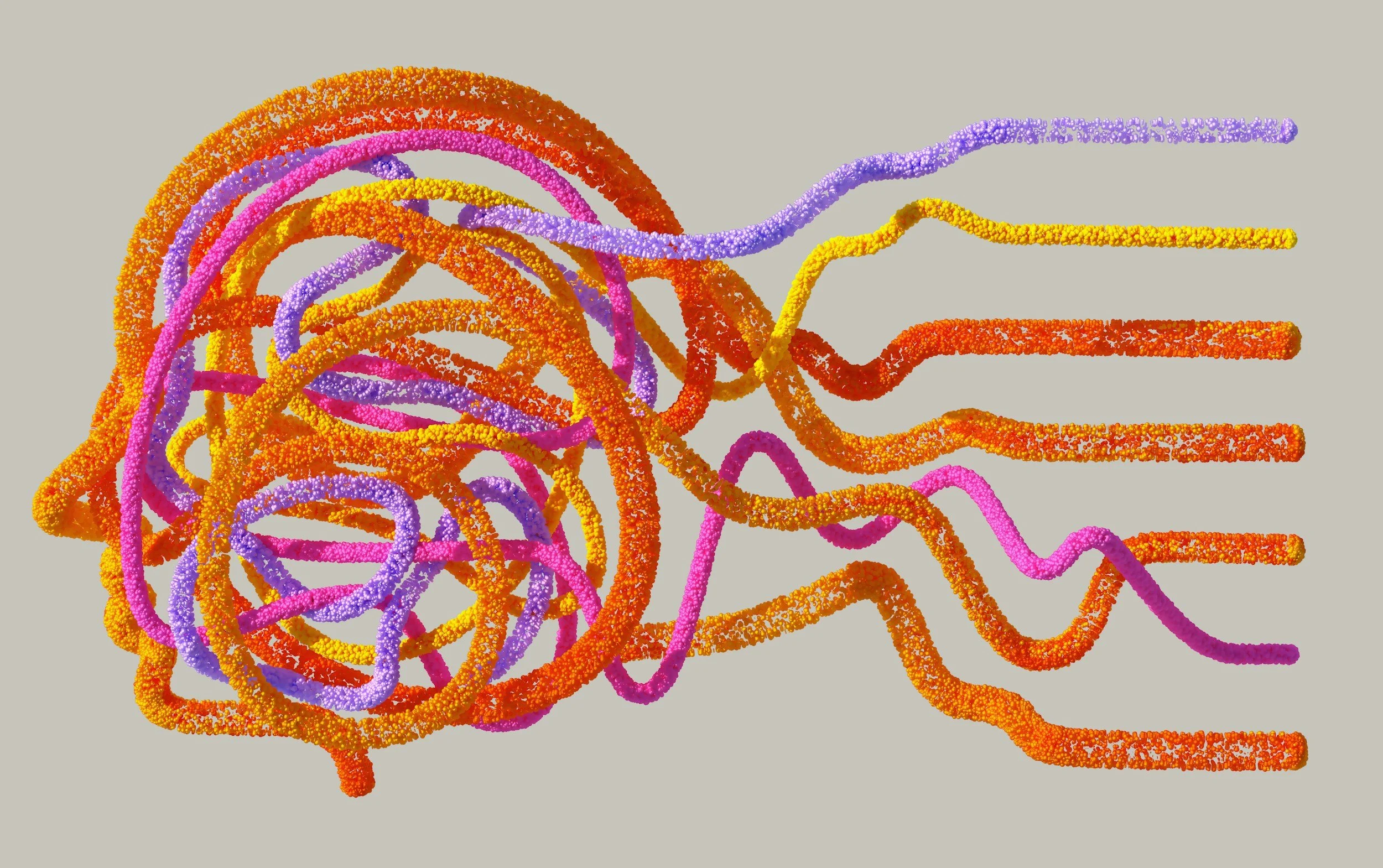
There's a particular kind of whiplash that comes with finding out, at 30 or 45 or 60, that the thing you've spent your whole life calling a character flaw actually has a name. Relief and grief tend to show up together — relief that you're not "lazy" or "too much" or "bad at reading," and grief for every year you spent believing you were.
Both feelings are valid, and neither cancels the other out. Research on post-diagnosis grief in adults backs this up: a recent thematic analysis described in Psychology Today found that late-diagnosed adults tend to move through recognizable phases, including a period where symptoms feel more pronounced right after diagnosis — often because the energy that once went into masking finally has somewhere else to go.
Here's what that grief-and-joy process can look like across a few of the most common late-in-life diagnoses.
Autism (ASD)
Autism diagnoses among young adults have risen sharply in the past decade, and adults — especially women — are increasingly recognizing themselves in descriptions they once assumed didn't apply to them. Part of the reason is diagnostic bias: research on adults with ASD has found that women are diagnosed years later, on average, than men with similar presentations, often after being misread as anxious, depressed, or simply "sensitive" (NCBI). A qualitative study of late-diagnosed autistic and ADHD women in the UK found that many described years of misdiagnosis, long diagnostic waits, and a striking lack of support after the diagnosis finally arrived — the answer showed up, but the help didn't automatically follow (Healthcare, 2026).
For many late-diagnosed autistic adults, the diagnosis reframes a lifetime of "trying harder" as a lifetime of masking — and unmasking, while relieving, is its own kind of labor.
ADHD
ADHD in adulthood often gets dismissed as an excuse rather than recognized as a legitimate, lifelong difference in executive functioning. But it's common enough that many adults are diagnosed for the first time only after a child, partner, or sibling receives their own diagnosis and the parent thinks, wait, that's me too. The same UK study above noted that an estimated 50–75% of women with ADHD may go undiagnosed, frequently because ADHD in girls and women doesn't always look like the stereotypical hyperactive presentation clinicians are trained to spot.
The grief here often centers on what could have been different — school, careers, relationships — with the right support earlier. The joy tends to show up later, once self-understanding starts replacing self-blame.

Dyslexia
Dyslexia is often thought of as a childhood diagnosis, but plenty of adults reach midlife having quietly built elaborate workarounds for a reading difference no one ever named. One therapist who works with late-diagnosed adults described clients who spent decades believing they were "slow" or "stupid," only to discover in adulthood that they'd simply been navigating the world with a different learning style all along (Rebecca Cox CBT). Research published in Annals of Dyslexia found no single predictable emotional pattern tied to age of diagnosis — some adults find relief, some find it neutral, some struggle — which is itself useful to know: there's no "right" way to feel about finding this out later in life (PMC).
OCD
OCD is a bit different from the others on this list — it's not typically framed as neurodivergence in the same conversation as autism or ADHD, but it belongs here because late and mistaken diagnosis is the norm rather than the exception. Research published in PLOS One found that people with OCD live with symptoms for close to 13 years, on average, before getting an accurate diagnosis, according to reporting from the American Psychological Association. Along the way, OCD is frequently mistaken for generalized anxiety, and intrusive thoughts are sometimes misread by providers as something more dangerous than they are — which can make an eventual, accurate diagnosis feel less like a label and more like finally being believed.

Where the joy actually comes in
Grief doesn't get resolved on a timeline, and it's not a phase you're supposed to rush through to get to gratitude. But for a lot of late-diagnosed adults, joy does eventually arrive — not because the diagnosis fixes anything, but because it changes the story. "I was lazy" becomes "my brain works differently." "I was too sensitive" becomes "I was undersupported." That reframe alone can loosen decades of self-blame.
If you're sitting with a recent diagnosis — or you suspect one you've never pursued — you don't have to sort out the grief and the relief on your own.
Our clinicians specialize in neurodivergent-affirming care for adults navigating diagnosis at any age — come thaw things out. Schedule a consultation.
Written by: Stephanie Franzoni, MA, LCPC, CST