
How to Survive Seasonal Depression in Chicago
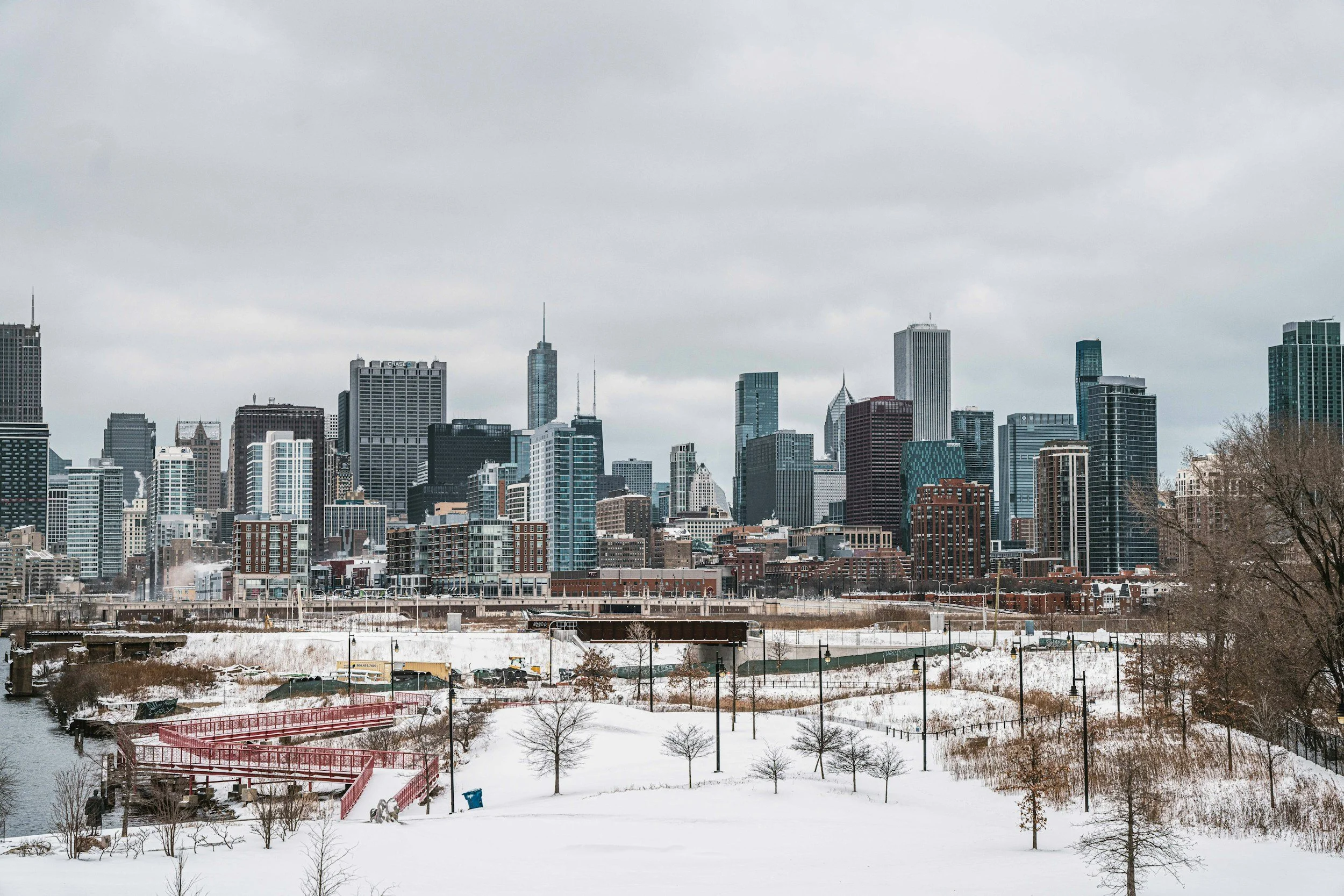
If you live in Chicago or anywhere else in the Midwest, you already know the deal: the days get shorter, the sky turns the same shade of gray for weeks at a time, and by 4:30pm it feels like the day is already over. For a lot of people, this isn't just "winter blues" — it's seasonal affective disorder (SAD), a real, well-documented form of depression tied to the drop in sunlight that comes with fall and winter.
Chicago winters are a particularly good match for SAD, given how few daylight hours the city gets and how often the sun stays hidden behind cloud cover. If this time of year reliably drains you, here's what's actually happening and what tends to help.
Why this happens
SAD follows a seasonal pattern — symptoms show up around the same time each year and typically ease once the days lengthen again. Common signs include low energy, oversleeping, carbohydrate cravings, trouble concentrating, and a persistent low mood or loss of interest in things you'd normally enjoy.
Reduced sunlight is believed to disrupt circadian rhythm and mood-regulating brain chemistry, which is why light exposure specifically — not just "getting outside more" in a general sense — has become one of the most studied interventions. A meta-analysis of randomized controlled trials published on PubMed found that bright light therapy was significantly more effective than placebo at reducing depression scores in adults with SAD.
What actually helps
Get real light exposure, especially in the morning. Bright light therapy — sitting near a 10,000-lux light box for about 20–30 minutes, typically in the morning — has some of the strongest evidence behind it for SAD specifically. If a light box isn't in the budget, getting outside for a walk in the morning, even on an overcast Chicago day, still gives you more natural light than staying indoors.
Move your body. A 2004 randomized controlled trial reviewed by the NIH's National Center for Complementary and Integrative Health found that light therapy and exercise, both alone and combined, were effective at easing depressive symptoms. You don't need a marathon training plan — a brisk walk, a home workout, or a dance break in your kitchen all count.
Protect your routine. SAD tends to pull people toward oversleeping and staying in. A consistent wake time, even on weekends, helps anchor your circadian rhythm when the sun isn't doing that job for you.
Stay connected instead of isolating. It's tempting to hibernate when everything feels harder, but isolation tends to deepen low mood rather than relieve it. Keep a standing coffee date, a weekly call, or a low-effort group activity on the calendar — something that doesn't require motivation you might not have that day.
Give yourself something to look forward to. A short trip, a class, a seasonal tradition — having a concrete thing on the calendar, even small, can make the middle of a long Midwest winter feel less endless.
Be patient with yourself. SAD is not a personal failing or a sign you're bad at winter. It's a well-documented, treatable pattern, and giving yourself grace on the harder days is part of getting through them.
Say what you need. Whether it's asking a partner to take on more some evenings, telling a friend you need low-key plans right now, or letting a boss know you're running on less energy this month, naming what you need out loud tends to get you further than white-knuckling it alone.

When to reach out for support
If low mood, oversleeping, or loss of interest is sticking around for weeks and starting to affect work, relationships, or your ability to function day to day, that's a sign it's worth talking to someone — not a sign you should be handling it better on your own.
If winter in Chicago hits you harder than it should, our clinicians can help you build a plan that actually fits your life here — come thaw things out. Schedule a consultation.