
Every Version of You Was Valid
That cringe you feel is proof you grew
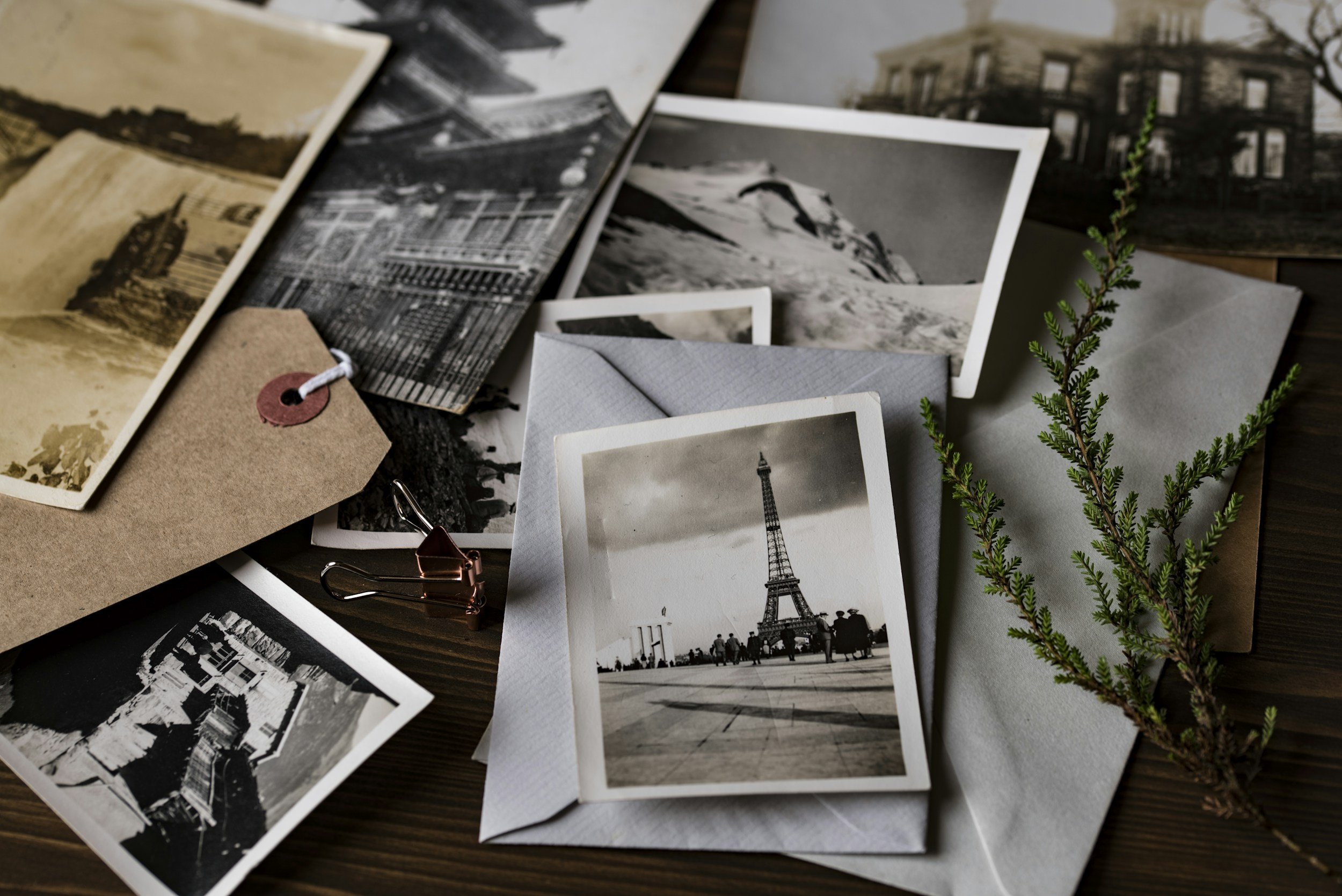
You find an old photo, or a journal, or a Facebook memory from 2011, and your whole body winces. The haircut. The boyfriend. The very confident opinion you posted about something you now know nothing about.
Most of us respond to that person with embarrassment. Sometimes with real shame. We think, who was that? and quietly try to forget them.
Here's a different way to look at it. The person in that photo isn't a mistake you made. They're someone you used to be, and they got you here. You are who you are now because of them, not in spite of them.
Your identity was never meant to stay still
Psychologists have known for a long time that identity keeps developing through adulthood. Erik Erikson mapped it as a series of life stages, each with its own central question. Who am I? Can I let someone close? Am I building something that matters? We don't answer those once and move on. We keep circling back to them as life changes around us.
One of the more humbling findings here comes from a 2013 study in Science. Researchers surveyed over 19,000 adults between 18 and 68. People of every age said they had changed a lot over the past ten years, but expected to change very little in the next ten. The researchers called this the "end of history illusion." We tend to treat whoever we are right now as the finished product.
We aren't. The 25-year-old thought they were done. So did the 35-year-old. So, probably, do you.
Every version of you was doing its best
Think about the people-pleaser you were in your early twenties. Or the one who drank a little too much to feel okay at parties. Or the one who stayed in a relationship long after it stopped feeling good. It's easy to judge them now.
But each of those versions was responding to the world they were living in, with the tools they had at the time. The people-pleaser may have learned that keeping others happy kept them safe. The one who went quiet may have grown up in a house where speaking up cost something. Those patterns made sense once. Some of them probably protected you.
This matters a lot in trauma work. Many of the habits we now want to change started out as survival strategies. You can thank an old pattern for getting you through and still decide you don't need it anymore. Both things can be true.
Growth isn't about erasing who you were. It's about understanding them well enough that you can choose something different.
When you find out something big about yourself later in life
Sometimes a new version of you shows up all at once. You get an ADHD or autism diagnosis at 34. You realize at 40 that you're queer, or that the gender you were assigned never quite fit. You leave the faith you were raised in, or a marriage, or a career you trained for years to have.
These moments can bring huge relief. They can also bring grief. People often tell us something like, "I wish I'd known sooner. Think of all the years I spent trying to be someone else."
That grief deserves room. But the person who masked their whole way through school, or who dated people they weren't really drawn to, wasn't living a fake life. They were surviving with the information they had. They are part of your story, and they're often the reason you can recognize the truth about yourself now.
How to look back on your past selves with kindness
Psychologist Dan McAdams at Northwestern describes identity as a life story we keep revising as we go. His research suggests that people who can find meaning in hard chapters, and who see themselves as having some agency in their story, tend to report better mental health and well-being. In other words, how you tell your story matters.
If you want to try this, grab a journal and pick one past version of yourself. Then sit with a few questions:
What was that version of me most afraid of?
What were they trying to protect, or get, or survive?
What did they get right that I still carry with me?
What would I want to say to them now, if they could hear it?
What did they hand off to me that I'm ready to put down?
You might notice some tenderness come up. You might notice some anger, too. Both are welcome. The point isn't to tie the story up neatly. It's to stop treating your past selves as enemies.
Coming home to your authentic self
Becoming your authentic self doesn't mean finally arriving at some perfect, final version. It means you get to stop performing. You can say "this is who I am right now" and know that's allowed to keep changing.
So you don't have to hate who you were to love who you are. The angsty teenager, the overworked twenty-something, the version that held it together through a really hard year. They all count. They're all you.
If you're in the middle of a big shift, or you're carrying a lot of shame about who you used to be, therapy can be a good place to sort through it. At Snow Lake Counseling in Logan Square, our Chicago therapists work with adults navigating identity, trauma, neurodivergence, and LGBTQIA+ experiences. We see clients in person and virtually across Illinois, Wisconsin, Florida, and Oregon, and we accept Aetna, Cigna, BCBS, and United, with sliding scale options available.
When you're ready, you can book a consultation here
Written by: Stephanie Franzoni, MA, LCPC, CST